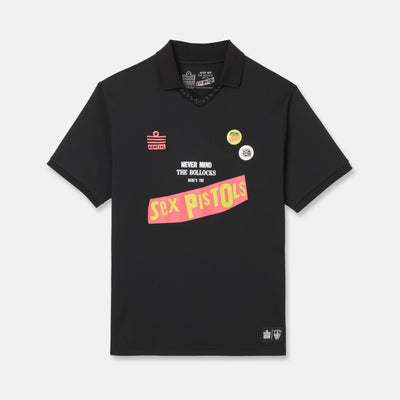
Punk and Football: An Unexpected Cultural Collision

At first glance, punk rock with its snarling guitars, sneering vocals and anti-establishment ethos and football with its chants, stadium rituals and tribal loyalties might seem worlds apart. Yet for decades, these two British passions have overlapped in ways that show both movements were fuelled by attitude, rebellion and community.
No band encapsulates punk’s raw energy and defiance quite like the Sex Pistols. Emerging in the mid-1970s, they became icons of British youth culture with songs like “Anarchy in the U.K.” and “God Save the Queen”, tracks that didn’t just redefine rock music but gave voice to a generation.

What’s lesser-known is that the Sex Pistols’ early promotional material actually appeared in football match programmes during their 1976 UK tour a daring crossover that brought punk directly to the terraces.
This wasn’t just clever marketing. Malcolm McLaren Sex Pistols manager saw this stating “Many of the early instigators of the punk scene were football fans.” The DIY attitude of punk no waiting for permission, make your own culture wasn’t so different to the terrace chants, banners and fierce loyalty fans displayed on match days.

The overlap between football and punk was personified in figures like Stuart Pearce, the former England defender and self-described lifelong punk fan. Rather than seeing them as separate worlds, Pearce once recalled “We beat Spain on the Saturday and went to see the Sex Pistols on the Sunday” a weekend that, for him, captured the best of both cultures.
Pearce didn’t just admire punk music he helped bring punk and football together by introducing the Sex Pistols on stage at a 1996 show, blending the raw energy of sport with the raw nerve of music.
The punk ethos has even inspired how some fans view the game itself. Clubs like FC United of Manchester and AFC Wimbledon were created by supporters rejecting corporate ownership and instead embracing a community-run model with a fan-first, DIY ethos reminiscent of punk’s communal spirit.

At their core, both punk and football are about belonging without surrendering identity. They are tribal, vocal, chaotic and unpolished. They thrive on emotion rather than polish. And when the Sex Pistols’ anarchic sound first fell into football programmes and crossed over into stadium life, it crystallised something intuitive: that both communities are shaped by unfiltered expression, joy in defiance, and a shared voice for the disaffected.